Circular Economy Exchange: January Highlights
Circular Economy Exchange: January 2026 Summary
As Digital Product Passports (DPPs) move from policy concept to regulatory reality, the Circular Economy Exchange brought together brands, charities, technologists and policymakers to explore what adoption really looks like in practice. Led by Kevin Dixie, co-founder of Buyerdock, the January 2026 session focused on the challenges, opportunities and unintended consequences of DPPs across the circular economy.
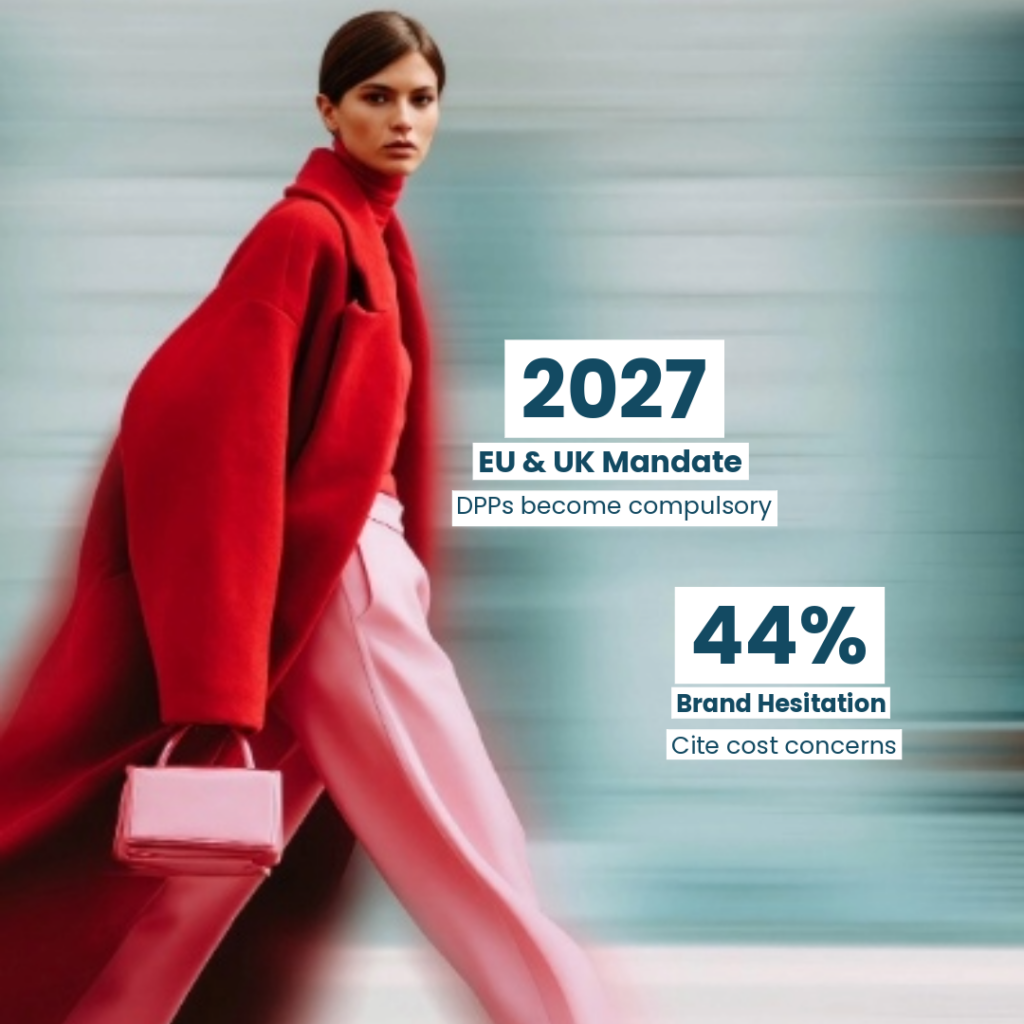
With EU and UK mandates set for 2027, the discussion made one thing clear: DPPs are no longer a future consideration, they represent an operational, commercial and cultural shift that brands must start preparing for now.
The DPP Adoption Challenge: Inevitable but Uneven
Digital Product Passports will become mandatory across the EU and UK by 2027, yet widespread adoption remains slow. Many brands cite cost, complexity and concerns around exposing supply chain data as key barriers.
A recurring theme was the tension between brands and manufacturers. Brands often push aggressively on cost and lead times, which can result in reduced transparency around sourcing and production. Product recipes and supplier relationships are frequently treated as proprietary, limiting openness.
However, several contributors argued that greater transparency including disclosure of faults, rejects and surplus could materially improve circular economy outcomes. While uncomfortable, this level of honesty is precisely what future regulation is designed to enforce.
Beyond Compliance: Engaging Consumers Through DPPs
One of the strongest opportunities discussed was the role of DPPs in consumer engagement particularly with Gen Z and millennials.

Rather than acting as static compliance tools, DPPs can become dynamic communication channels. Case studies shared by Kerensa Neale (Full Circle Creative) showed how QR codes linked to experiential rewards, such as exclusive music content drove stronger engagement than traditional discounts.
The insight was clear: shifting consumer “dopamine” from purchasing to experiences helps build emotional connection, brand loyalty and more sustainable behaviour. DPPs offer a scalable way to deliver this at product level.
Unlocking the Secondhand and Vintage Economy
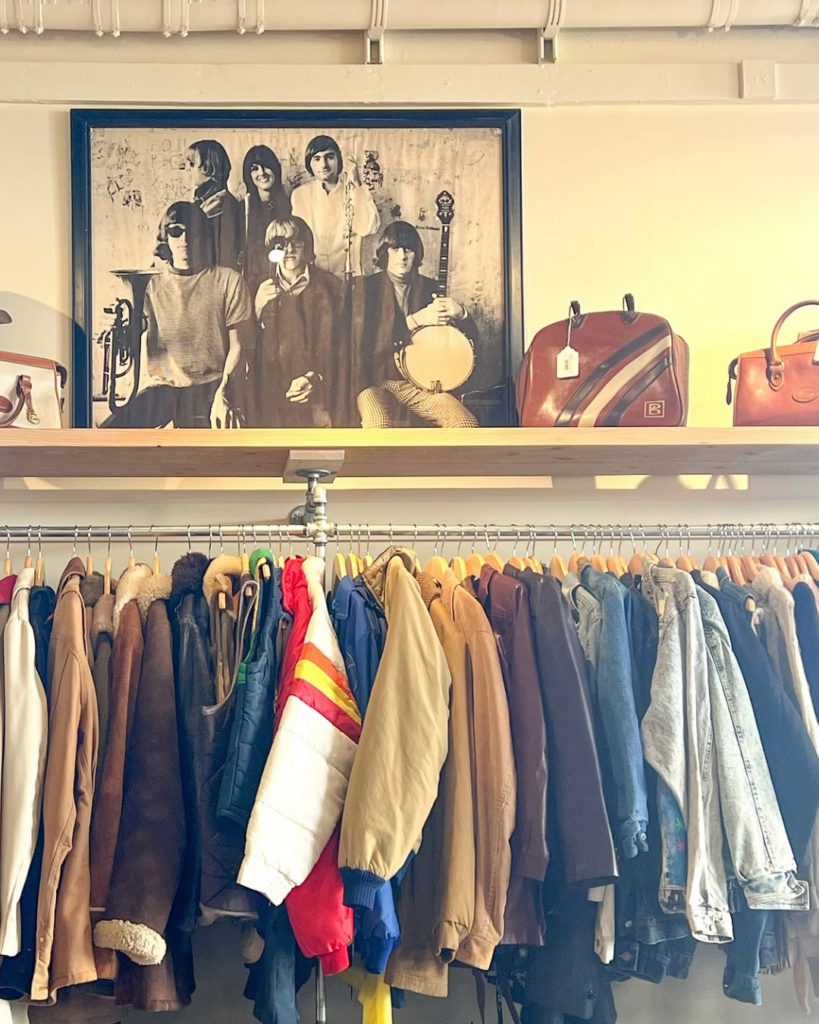
DPPs were also positioned as a potential unlock for secondhand and resale markets. Heather Dupay (University of West London) introduced the concept of “vintage DPPs”, digital records attached to archival and pre‑owned goods.
These passports can increase trust, authenticity and value for collectors, while reducing waste. Pilot projects in Scandinavia are already exploring secondhand malls (ReTuna Återbruksgalleria) built entirely on resale and data transparency.
Charities and resellers are emerging as important future users of DPP infrastructure, although challenges remain around capturing historic supply‑chain data and reconnecting it to original brands.
Technology as an Enabler, Not a Silver Bullet
Technology will play a critical role in scaling circular systems. AI‑powered classification tools are already improving the speed and accuracy of sorting secondhand footwear and apparel. Automated clothing banks such as Spain’s TextMat programme demonstrate how smart infrastructure linked to DPPs can incentivise responsible disposal and reuse.
That said, speakers stressed that technology alone is not enough. Without coordinated infrastructure, funding and brand participation, innovation risks remaining fragmented.
Surplus Redistribution: A Proven but Constrained System
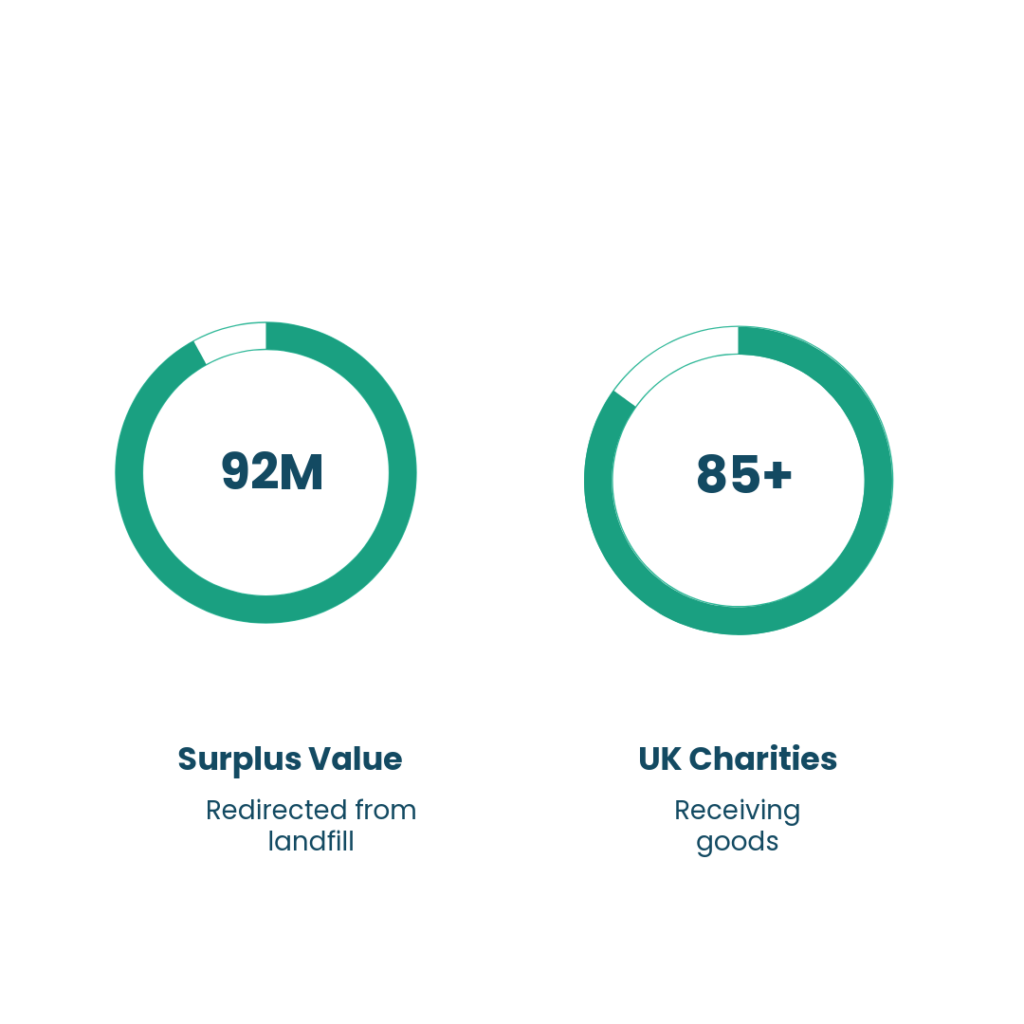
The Exchange highlighted the scale of surplus already flowing through the system. Goods for Good has redirected over £92 million worth of surplus stock away from landfill and into communities, supporting more than 85 UK charities and international aid efforts.
Yet despite demand, redistribution is constrained by storage limitations, labour‑intensive sorting processes and funding gaps. Mixed pallets, small warehouses and reliance on volunteers create bottlenecks that prevent scaling.
This sparked a strong call for brands to take greater responsibility for surplus logistics and costs not just as a moral stance, but as part of future regulatory and reputational expectations.
Learning from Leaders: Uniqlo as a Transparency Model
Uniqlo was cited as an example of how brands can engage constructively with surplus and pre‑loved goods. Clean, sorted donations, store‑collected resale stock and purpose‑produced donation items demonstrate how transparency and planning improve outcomes for charities and recipients alike.
Active participation from sustainability leadership was seen as critical in normalising these practices across the industry.
Overcoming the Fear of Greenwashing
A major psychological barrier to DPP adoption is fear of criticism, negative PR and greenwashing accusations. Contributors argued that this fear often results in silence, rather than transparency.
The consensus was that authenticity is the antidote. DPPs should not feel like polished marketing assets, but honest reflections of product journeys. Real stories, meaningful data and collaboration with charities can help brands communicate credibly without over‑claiming.
Regulation Is Accelerating Change
The regulatory landscape is moving quickly. In addition to the 2027 DPP mandate for textiles and apparel, recycled content requirements are already emerging in countries like France.
By 2028, DPP obligations are expected to extend into furniture, electronics and additional product categories.
As production models are forced to evolve, brands that build connected data foundations now will be better positioned to adapt as requirements expand.
The Fast Fashion Reckoning
Consumer fatigue with micro‑trends and digital overload is creating space for more authentic, experience‑driven retail. As AI‑generated content saturates online channels, physical retail and tangible product stories may regain importance.
DPPs can support this shift, enabling community‑led, experience‑rich retail models that align sustainability with relevance rather than sacrifice.
The Path Forward
The session concluded with clear priorities for the ecosystem:
- Expand brand partnerships for DPP adoption and surplus programmes
- Invest in consumer education and awareness
- Pilot AI and automation at scale
- Strengthen charity infrastructure through funding and logistics support
- Continue research into Gen Z engagement and behavioural change
DPPs are not simply a compliance requirement — they are emerging as a connective layer between regulation, technology, consumers and circular value creation.
The brands that succeed will be those that treat DPPs not as a burden, but as infrastructure for the next phase of sustainable growth.
Next Event
Location: St. Annes Church [Allen Room 1st floor], 55 Dean Street, London. W1D 6AF
Date: 18th February 2026
Time: 2:15pm- 4:15pm
Lead: Izzy Ryan, Client Success Officer, alongside Charlotte Astle, Growth and Client Success Manager, both from Positive Luxury
Topic: How can circular economy professionals work together to engage suppliers more effectively?
RSVP here.