Seen On Shelves: Loake Shoemakers at John Lewis
Your Products May Sit on Someone Else’s Shelf, But Your Brand Experience Doesn’t Have To
For many brands, the retail shelf is where control of the customer experience ends.
Products sit alongside competitors, merchandising is managed by the retailer, and the only communication available is what’s printed on the packaging. Yet this is often the moment when shoppers have the most questions.
A growing number of brands are changing that.
During a recent visit to John Lewis, we spotted Loake Shoemakers extending its brand experience beyond the shelf through a QR code that connects shoppers to a branded digital experience.
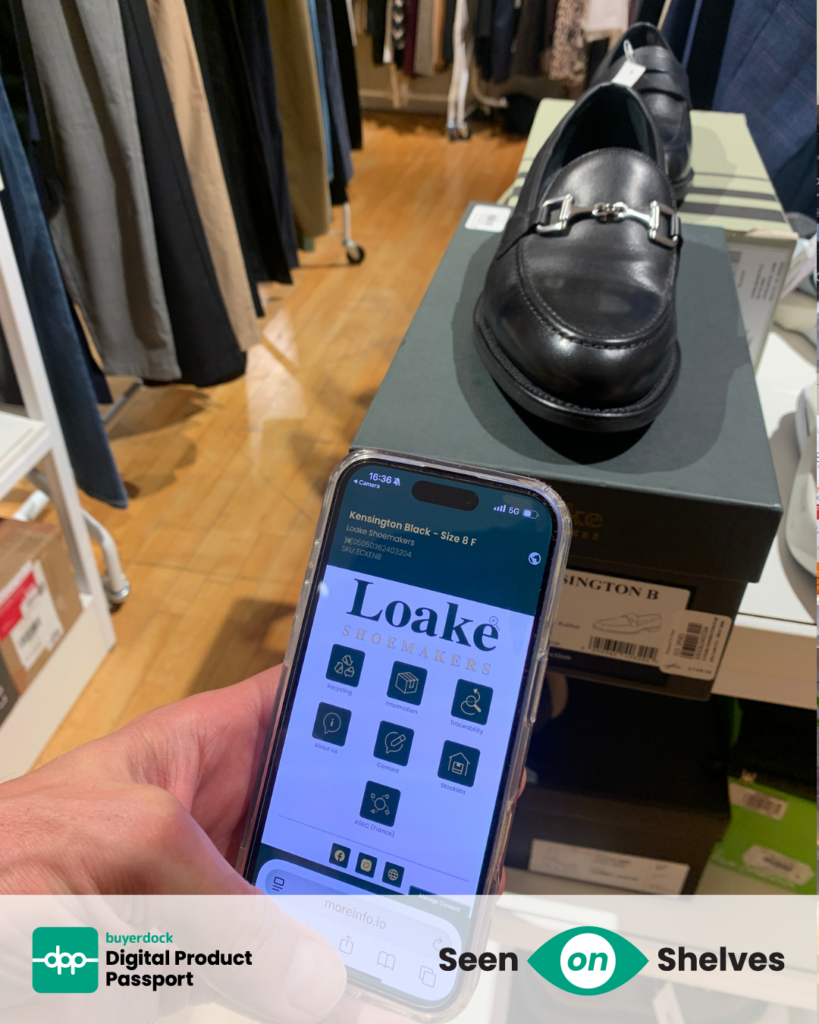
A single scan opened a dedicated product page with:
- Product information
- Traceability details
- Recycling guidance
- Stockist information
- Brand information
- Contact details
Rather than relying solely on the retailer to communicate its story, Loake creates a direct connection between the physical product and its own digital experience. The result is a more informed shopping journey that remains consistent wherever the product is purchased.
Retail Doesn’t Have to Mean Losing the Customer Relationship
Many brands invest heavily in creating engaging digital experiences on their own websites, yet many purchasing decisions still happen in retail stores.
Connected packaging bridges that gap. By linking products to dynamic digital content, brands can continue the conversation after a shopper picks up a product—whether it’s sold through their own ecommerce store, a department store, or an independent retailer.
The retailer facilitates the sale. The brand continues the experience.
Brand Continuity Wherever Customers Shop
At its core, connected packaging is about brand continuity.
Whether a customer buys directly from your website or discovers your product in a retailer like John Lewis, they should receive the same trusted information, the same brand messaging, and the same quality of experience.
This creates:
- Greater confidence at the point of purchase
- Consistent brand messaging across every sales channel
- A direct path to updated digital content
- An opportunity to build an ongoing relationship beyond the transaction
The physical product becomes the gateway to your digital ecosystem.
Looking Beyond Digital Product Passports
Connected packaging is often discussed in the context of Digital Product Passports (DPPs), but its value goes far beyond future regulatory requirements.
Brands are already using connected packaging today to:
- Deliver product information that can be updated over time
- Share sustainability and recycling guidance
- Increase transparency through traceability
- Provide richer customer experiences
- Maintain a consistent brand experience wherever their products are sold
The technology is available today, and brands are already putting it into practice.
Seen On Shelves
Through our Seen on Shelves series, we highlight real-world examples of Buyerdock’s iQRcode™ in action, showing how brands are using connected packaging to extend their digital experience beyond the shelf.
Loake Shoemakers is another example of how connected products are already creating more engaging retail experiences today.